

You can technically wait years, but waiting usually means Dental Implants New York patients need more treatment, not less. Jawbone starts shrinking soon after a tooth is removed. One widely cited study found that the bone ridge lost about half its width within 12 months, with roughly two-thirds of that loss happening in the first 12 weeks. The sooner you plan your implant, the more likely you are to keep the bone needed to support it.
Many New Yorkers put off replacing a missing tooth because of busy schedules, cost concerns, or because the gap is in the back where no one sees it. That delay has a real cost. This guide explains what happens to your jaw after an extraction, when implants can be placed, and how to protect your options if you cannot start treatment right away.
What Happens to Your Jawbone After a Tooth Is Removed?
Your jawbone stays healthy because your teeth stimulate it every time you chew. Each tooth root transfers pressure into the bone, which signals the body to maintain it. When a tooth is removed, that signal disappears, and the bone that once held the root begins to resorb.
The change starts quickly. Bone resorption is fastest during the first three to six months after an extraction, and the ridge tends to narrow from the cheek side first. After the first year, the loss slows down but continues gradually over time. In the front of the upper jaw, this can create a visible dip in the gumline that makes a future restoration harder to match to your natural teeth.
Neighboring teeth are affected too. Without a tooth to hold their position, adjacent teeth can tip into the gap, and the opposing tooth can drift up or down. This can change your bite, make cleaning harder, and complicate implant placement later.
Bone loss can also change your face. As the jaw ridge shrinks, the lips and cheeks lose some of their support, which can create a sunken or older look over time. Replacing missing teeth with implants helps maintain that structure. For patients who also want firmer cheeks and a more defined jawline, CitySpireDental offers EMFACE NYC, a Non-Surgical Facelift NYC option that tones facial muscles without needles or downtime.
Can a Dental Implant Be Placed the Same Day as an Extraction?
Sometimes. An immediate implant is placed into the socket right after the tooth is removed. This approach works best when the surrounding bone is healthy, there is no active infection, and the implant can be anchored firmly on the day of surgery. For the right patient, it shortens the overall timeline and helps preserve the shape of the gums.
Not every case qualifies. If there is infection, significant bone damage, or a thin bone wall, your dentist may recommend a short healing period first. In many of these cases, the socket can be filled with bone graft material at the time of extraction. This socket preservation step helps maintain the ridge while it heals, so the implant can be placed with less additional grafting later.
The right choice depends on detailed imaging. Cone beam CT scanning shows bone height, width, and density in three dimensions, which allows your dentist to decide whether an immediate implant, a graft first, or a short wait is the best path.
What If You Have Already Waited Months or Years?
You likely still have options. Many people who lost a tooth years ago can still receive implants, though they may need bone grafting to rebuild the ridge first. Grafting adds time and cost, but it is a routine and predictable part of modern implant dentistry.
What changes with time is the complexity of the case. A patient who waits five years after an extraction may need a larger graft or a different implant position than someone who planned treatment within a few months. If several teeth are missing or failing, the conversation may expand to full mouth reconstruction, which restores function and appearance across the entire bite.
The most important step is a thorough evaluation. Even if you are not ready to start treatment, knowing where your bone stands today helps you plan before more is lost.
Why Not Just Use a Bridge or Partial Denture?
Bridges and dentures can replace the appearance of a missing tooth, but neither replaces the root. A traditional bridge requires reshaping the healthy teeth on either side to support the replacement tooth. A partial denture rests on the gums and does not transmit chewing forces into the bone, so resorption continues underneath it.
A dental implant is different because it acts as a new root. The titanium post bonds with the jawbone through a process called osseointegration, and that bond helps maintain the surrounding bone over time. Long-term research supports this approach. In one large University of Bern study of 511 implants, the 10-year survival rate was 98.8 percent.
For many patients, especially those who want a stable, natural-looking result without altering healthy teeth, an implant is the most conservative long-term choice.
How Does Digital Planning Make Implant Treatment Faster?
Technology has shortened implant timelines significantly. At CitySpireDental, treatment planning begins with a cone beam CT scan and virtual implant placement software. The team then designs a custom surgical guide in its on-site lab, which directs the implant into the exact planned position.
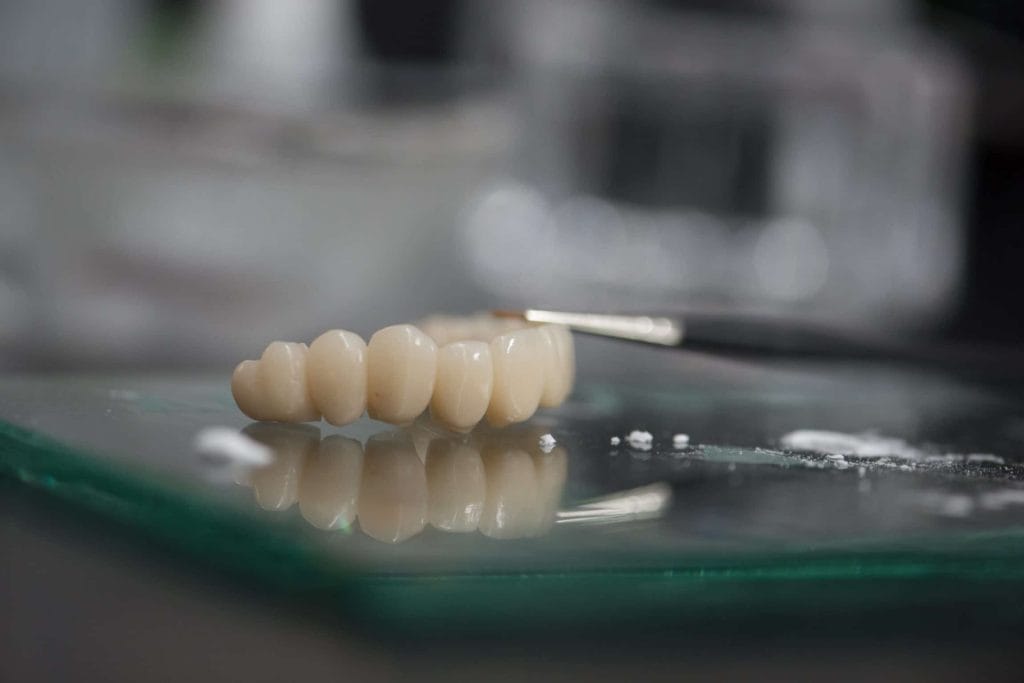
According to the practice, this guided approach allows many implants to be placed without cutting or suturing the gums, and patients can usually return to normal activities within a day or two. The final porcelain crown is designed and milled in the same office, which reduces the number of visits and outside lab delays. You can learn more about this approach on our advanced digital dentistry page.
What Should You Look for in a Dental Clinic New York Patients Trust?
Implant success depends as much on planning and restoration as on placement. Look for a practice that offers 3D imaging, guided surgery, and an experienced restorative team that designs the final tooth. Ask who will plan your case, who will place the implant, and who will create the crown, and how those steps are coordinated.
Prosthodontic expertise matters for complex cases. Prosthodontists are dentists with advanced specialty training in replacing teeth and restoring bites. CitySpireDental’s team includes board-certified prosthodontists who plan implant cases from the final tooth backward, so function and appearance are considered from the start.
If appearance is a priority, choose a Cosmetic Dentist New York patients trust for both function and aesthetics. An implant crown in the front of the mouth needs to match the shade, shape, and gumline of the surrounding teeth to look natural.
Ready to Plan Your Implant in Midtown Manhattan?
The best time to plan a dental implant is soon after a tooth is lost, but it is rarely too late to start. A consultation gives you a clear picture of your bone, your options, and your timeline, so you can decide with confidence.
Visit our Dental Implants New York page to see how treatment works, or review our payment options before your visit. To schedule an evaluation, call 212.246.8700 or visit our Dental Clinic New York office at 156 West 56th Street.
FAQs
How soon after an extraction should I get a dental implant?
Ideally, plan within the first few months. Bone loss is fastest during the first three to six months, and some patients can receive an implant on the same day as the extraction.
Can I get an implant years after losing a tooth?
Often, yes. You may need bone grafting first to rebuild lost bone, which can add time to treatment.
What is socket preservation?
Socket preservation is a bone graft placed into the extraction site to help maintain the jawbone while it heals before an implant.
How long do dental implants last?
With good care, implants can last for decades. Long-term studies show 10-year survival rates above 95 percent.
Does a bridge stop bone loss?
No. A bridge replaces the visible tooth, but not the root, so bone under the gap can continue to shrink over time.

