

In most cases, yes. EMFACE NYC patients with dental implants, crowns, veneers, or fillings are usually still candidates, because the EMFACE applicators sit on the skin of the forehead and cheeks and treat the skin and facial muscles, not the teeth. The real limits are metal implants inside the treatment area itself, such as cheek or chin implants or plates from jaw surgery, and active electronic devices like pacemakers anywhere in the body.
That question comes up constantly at a dental practice, and for good reason. Many people interested in a non-surgical facelift NYC option have already invested in their smile. They want to know whether a facial treatment could affect that work, or whether their dental history rules them out. This guide explains how EMFACE works, who is a good candidate, what to tell your provider, and how facial rejuvenation fits alongside cosmetic dental care.
What Is EMFACE and How Does It Work?
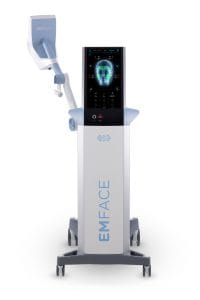
EMFACE is a needle-free device made by BTL that treats two layers of the face at once. It combines synchronized radiofrequency, which gently heats the skin to stimulate collagen and elastin, with HIFES technology, which uses electrical stimulation to contract and tone specific facial muscles. The applicators are placed on the forehead and cheeks, and the patient simply relaxes for about 20 minutes.
Because it works on both skin and muscle, EMFACE aims to lift and firm the face rather than freeze or fill it. In studies sponsored by the manufacturer, patients who completed a full course saw an average 37 percent reduction in wrinkles, a 30 percent increase in muscle tone, and a 23 percent lifting effect. Results vary from person to person, and those figures come from the company’s own research, so they are best treated as a general guide rather than a promise.
Why Is EMFACE Usually Safe With Dental Work?
The concern makes sense. EMFACE uses radiofrequency energy, and radiofrequency devices are generally not used directly over metal implants because metal can concentrate heat. That is why “metal implants in the treatment area” appears on most EMFACE screening forms.
Dental restorations are a different situation. Crowns, veneers, and fillings sit on the teeth inside the mouth, and dental implants are anchored in the jawbone beneath the gums. EMFACE applicators are placed on the outer skin of the forehead and the cheek area, and the energy is directed at the skin and facial muscles rather than the teeth and jaw. For this reason, many EMFACE providers consider fillings, crowns, and dental implants generally safe for treatment.
That said, “generally safe” is not the same as automatically approved. The final decision always belongs to the provider who reviews your full medical and dental history. Having your facial treatment in the same office that knows your dental records makes that review faster and more accurate.
Who Should Not Get EMFACE?
Some conditions do rule out EMFACE or a particular treatment area. The most important is any active electronic implant, such as a pacemaker or internal defibrillator, anywhere in the body. Metal implants in or near the area being treated are another common exclusion. This includes cheek implants, chin implants, and the plates and screws sometimes placed during corrective jaw surgery.
Pregnancy and nursing are also contraindications. Other conditions your provider will ask about include active skin infections or open wounds on the face, current cancer treatment, and recent facial procedures. If you have had injectables recently, your provider may suggest spacing treatments apart.
Be completely open during your consultation. If you are unsure whether a past procedure left metal in your face, say so. Your provider can review your history and imaging before deciding which areas are safe to treat.
How Does EMFACE Compare to a Surgical Facelift?
EMFACE is not a replacement for surgery, and it is important to set expectations correctly. A surgical facelift removes and repositions excess skin and deeper tissue. It can produce dramatic change, but it involves anesthesia, incisions, and weeks of recovery.
EMFACE delivers more modest lifting and toning without needles, incisions, or downtime. It tends to suit adults with mild to moderate laxity who want a refreshed, natural look, or people who want to delay surgery. Patients usually return to work or normal activities right after each session.
As a non-surgical facelift NYC option, EMFACE fits the schedules of busy Manhattan professionals who cannot take weeks off. It can also be combined with other aesthetic treatments for a fuller result. For lower-face concerns specifically, our guide to non-invasive jawline contouring covers additional options.
How Many EMFACE Sessions Do You Need?
The standard protocol is four sessions of about 20 minutes each, spaced roughly 2 to 14 days apart. Some patients notice a subtle difference after the first few visits, but the main results build gradually as new collagen, elastin, and muscle fibers develop. Most people see their best results one to three months after the final session.
Results are not permanent. Natural aging continues, so many patients schedule occasional maintenance sessions to keep the effect going. Your provider can recommend a plan based on your goals, age, and skin.
Can EMFACE Be Combined With Cosmetic Dentistry?
Yes, and the combination often produces the most balanced result. Your teeth and your facial muscles work together to shape your smile and lower face. Teeth that are worn, short, or discolored can make the face look older, while lax cheek muscles can make even a beautiful smile look tired.
Many patients start with dental treatment such as porcelain veneers or same-day crowns to restore the shape and color of their teeth. EMFACE can then refresh the skin and muscle support around that smile. Planning both in one practice means your dentist can time each step so neither treatment interferes with the other.
EMFACE is also marketed for relief of jaw muscle tension and TMJ-related discomfort, since its radiofrequency heating is intended to ease muscle spasms. If jaw pain is part of your concern, mention it during your consultation so your dentist can evaluate your bite and joint as well.
Why Get EMFACE at a Dental Practice in Midtown Manhattan?
Choosing a Cosmetic Dentist New York patients already trust brings something a typical med spa cannot: a detailed understanding of your teeth, jaw, bite, and facial anatomy. At CitySpireDental, a full-service Dental Clinic New York patients visit for everything from implants to veneers, the team already uses 3D imaging and digital smile design, so facial aesthetics can be planned with your dental work in mind rather than in isolation.
Several CitySpireDental doctors have tried the treatment themselves, and you can read about our doctors’ own EMFACE experience before you book. To learn more about treatment areas and session details, visit our EMFACE NYC page. When you are ready, request an EMFACE consultation or call 212.246.8700 to visit our Non-Surgical Facelift NYC practice at 156 West 56th Street.
FAQs
Is EMFACE safe if I have dental implants?
For most patients, yes. Dental implants sit in the jawbone beneath the gums, while EMFACE treats the skin and muscles of the forehead and cheeks. Your provider will confirm during screening.
Can I get EMFACE with veneers or crowns?
Generally, yes. Veneers and crowns are bonded to the teeth and are not in the EMFACE treatment zone. Always disclose all dental and facial work before treatment.
Who is not a candidate for EMFACE?
People with pacemakers or other active electronic implants, metal implants in the treatment area, or who are pregnant or nursing should not have EMFACE. Active skin infections and some medical conditions may also rule it out.
How long do EMFACE results last?
Results develop over one to three months after the final session and can last around a year. Maintenance sessions help sustain them.
Is EMFACE painful?
Most patients describe a warm sensation and rhythmic muscle contractions. There are no needles, no anesthesia, and no downtime.

