
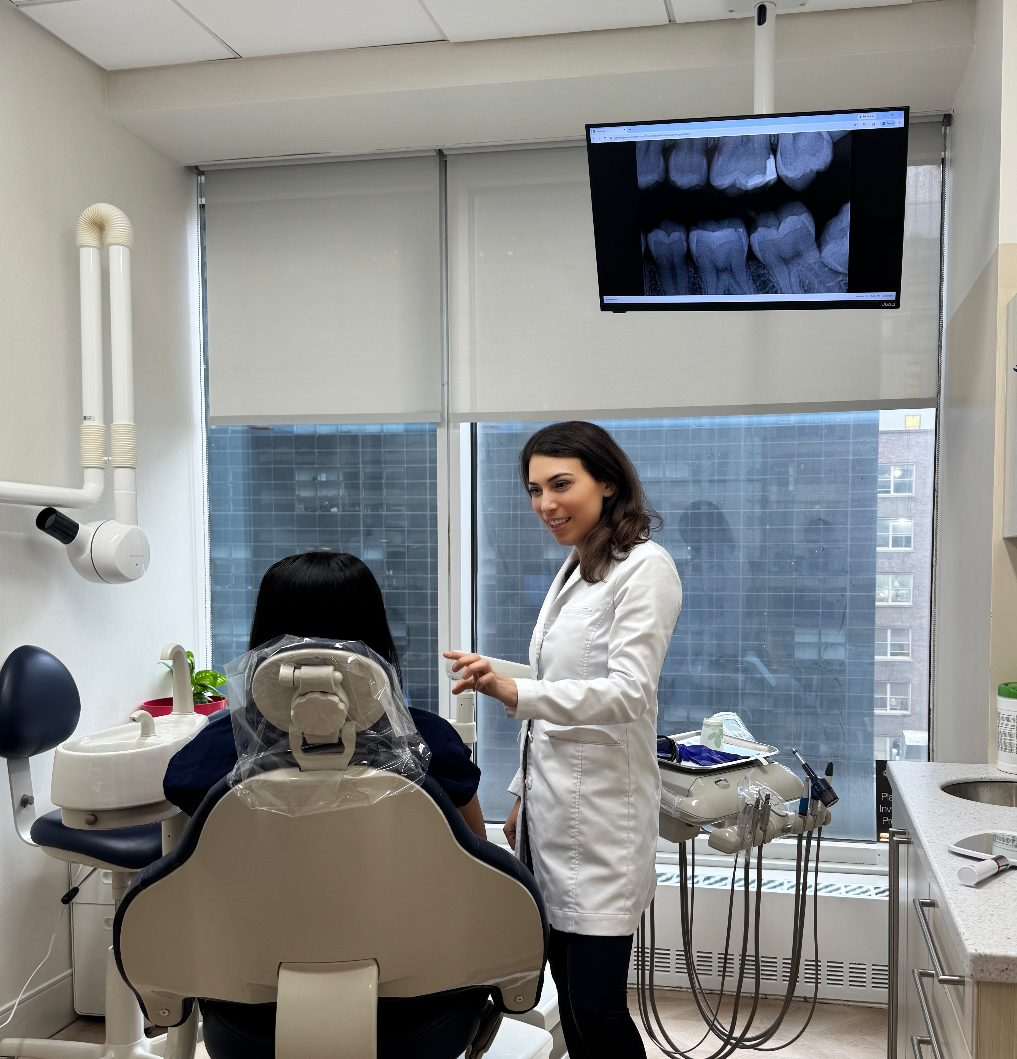
What women should know about oral health, hormonal changes, and prevention
Women’s Health Month is an important reminder that hormonal changes can affect far more than energy levels, mood, skin, or sleep—they can also impact oral health.
According to a recent American Dental Association article, hormonal fluctuations throughout life may contribute to dry mouth, gum inflammation, tooth sensitivity, and an increased risk of periodontal disease. Left untreated, these conditions can lead to damage to the teeth, gums, and supporting structures of the mouth. You can read the ADA article here: Combating Hormone-Induced Oral Health Issues in Women
The good news? Understanding the connection between hormones and oral health can help women recognize symptoms early and take steps to protect their smiles at every stage of life.
Why Hormones Matter to Your Oral Health
Hormones such as estrogen and progesterone influence inflammation, blood flow, and the body’s response to bacteria—including the bacteria that contribute to gum disease.
When hormone levels fluctuate, women may experience:
- Dry mouth
- Swollen or bleeding gums
- Increased tooth sensitivity
- A greater risk of cavities
- Changes in gum health
One of the biggest concerns is dry mouth. Saliva plays an essential role in protecting teeth by washing away bacteria, neutralizing acids, and helping prevent decay. When saliva production decreases, the risk of cavities, irritation, and oral infections can increase.
Life Stages That Can Affect the Mouth
Pregnancy
Pregnancy-related hormonal changes can make gums more sensitive and prone to inflammation, often referred to as pregnancy gingivitis. Changes in the oral environment may also contribute to increased sensitivity and other dental concerns.
Menopause
Many women experience oral changes during menopause, including dry mouth and increased gum sensitivity. Reduced estrogen levels may also affect the tissues and bone that support the teeth, making preventive care especially important.
Autoimmune Conditions
Women are more likely than men to develop autoimmune conditions such as Sjögren’s disease, which can significantly reduce saliva production. Severe dry mouth is often one of the earliest and most noticeable symptoms and can increase the risk of dental complications.
The Often-Overlooked Connection Between Hormones, Stress, and Jaw Pain
Hormonal fluctuations can also influence stress levels, sleep quality, and muscle tension. For some women, that may contribute to jaw discomfort, facial tension, headaches, clenching, or TMJ-related symptoms.
Many patients are surprised to learn that chronic muscle tension in the face and jaw can affect comfort, function, and even the appearance of the lower face over time.
At CitySpireDental, we offer EMFACE®, a noninvasive treatment that uses synchronized radiofrequency and HIFES™ technology to strengthen facial muscles and improve facial tone without needles or downtime.
While many patients seek EMFACE for facial rejuvenation, it may also help support improved muscle balance and reduce tension in overworked facial muscles. For women experiencing jaw discomfort related to clenching or chronic muscle strain, it can be a valuable part of a comprehensive approach to facial wellness.
Protecting Your Smile Through Every Stage of Life
While hormonal changes are a natural part of life, their effects on oral health don’t have to be.
A few simple habits can make a significant difference:
- Brush twice daily with fluoride toothpaste
- Floss every day
- Stay hydrated
- Schedule regular dental exams and professional cleanings
- Discuss any symptoms of dry mouth, gum bleeding, sensitivity, or jaw discomfort with your dental team
A Healthy Smile Is Part of Whole-Body Health
Women’s Health Month is a reminder that oral health is closely connected to overall wellness. Whether you’re navigating pregnancy, menopause, an autoimmune condition, or simply noticing changes in your oral health, paying attention to symptoms early can help prevent more serious problems later.
Your mouth often provides important clues about what’s happening elsewhere in the body—and taking care of your smile is an important part of taking care of yourself.

